Types of Belly Fat: Subcutaneous vs Visceral Fat
Medical disclaimer: This article is for general education only and is not medical advice. It covers topics such as the types of belly fat, their possible causes, and related health considerations. Talk to a doctor or registered dietitian before making major changes to your diet or exercise routine.
Key Takeaways
- There are two main types of belly fat: subcutaneous fat (under the skin, the kind you can pinch) and visceral fat (deep inside the abdomen, around your organs).
- Visceral fat is more metabolically active and is linked to insulin resistance, type 2 diabetes, heart disease, and fatty liver disease.
- You can’t choose where your body loses fat, but a calorie deficit, regular exercise, better sleep, and lower stress all help reduce belly fat over time.
A safe goal is about 1 to 2 pounds per week, according to the Centers for Disease Control and Prevention (CDC).
What Are the Different Types of Belly Fat?
Almost everyone carries some fat around the midsection, and that is completely normal. Fat insulates your body, cushions your organs, and stores energy for later. The problem starts when there is too much of it, especially the wrong kind.
So, what are the types of belly fat? Researchers generally divide abdominal fat into two main groups:
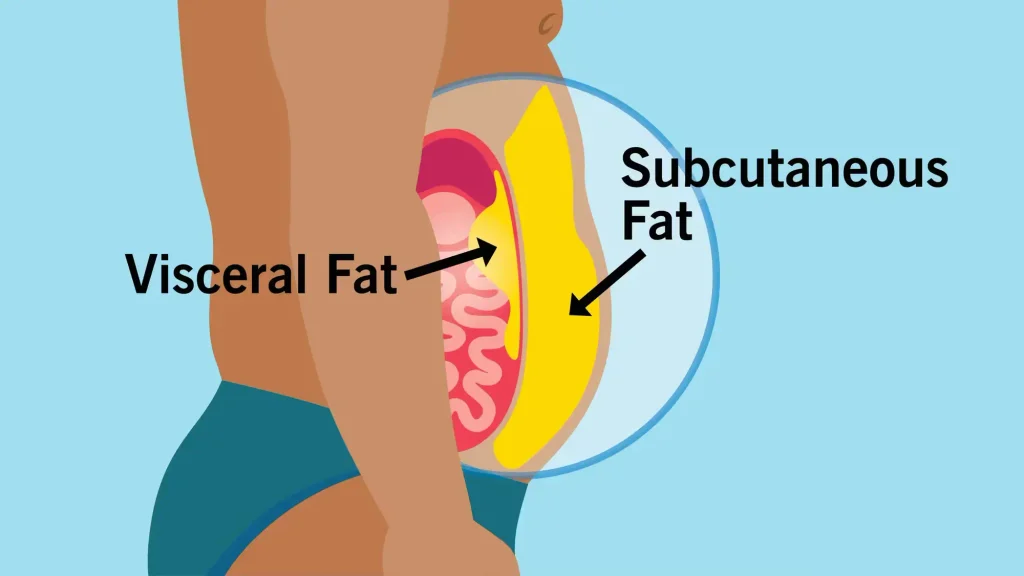
- Subcutaneous fat: the soft fat that sits just under your skin.
- Visceral fat: the deeper fat that wraps around organs such as the liver, kidneys, and pancreas.
Knowing the difference between these types of belly fat matters because they affect your health in very different ways. In this guide, you’ll learn what each type looks and feels like, why visceral fat gets so much attention, how to tell which one you have, and what actually works to lose it.
Subcutaneous Belly Fat: The Soft Fat You Can Pinch
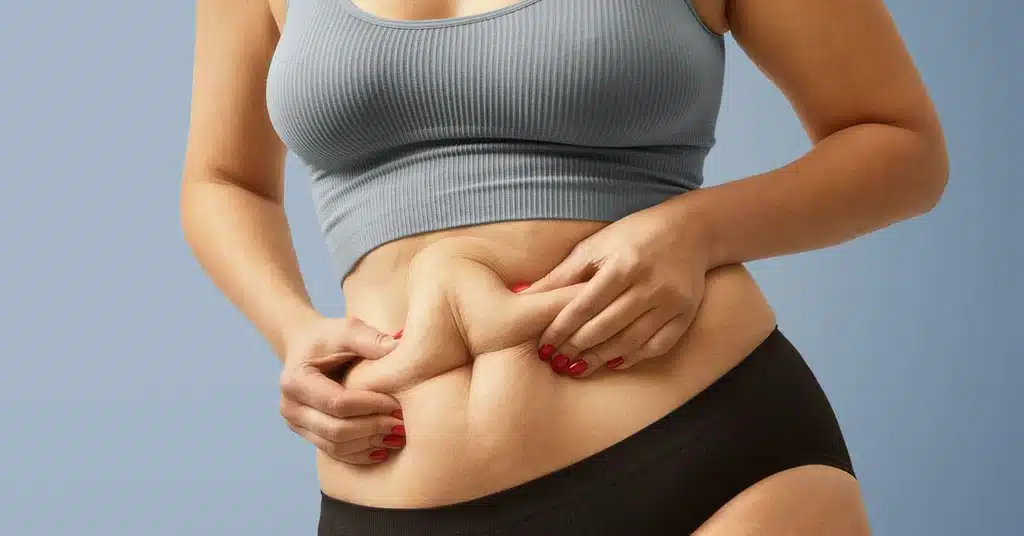
Subcutaneous fat, also called subcutaneous adipose tissue (SAT), is the layer of fat directly beneath your skin. It’s soft, and it’s the fat you see “jiggling” when you move or the fat you can grab with your fingers.
Where is subcutaneous fat found?
It isn’t limited to your stomach. Subcutaneous fat is spread across your abdomen, upper back, glutes, and thighs. In fact, it makes up the majority of your total body fat, up to roughly 90% according to published research.
Is subcutaneous fat harmful?
Compared with visceral fat, subcutaneous fat is not as strongly linked to serious disease. One reason may be that it isn’t directly connected to your internal organs.
That said, it isn’t completely harmless. A 2017 review found that carrying more upper body subcutaneous fat was associated with higher blood pressure, LDL (“bad”) cholesterol, triglycerides, and blood glucose, along with lower HDL (“good”) cholesterol.
Who tends to have more subcutaneous fat?
Women generally carry more subcutaneous fat than men. Before menopause, women also tend to store more fat under the skin of the belly, hips, and thighs.
Visceral Belly Fat: The Hidden, Deeper Fat
Visceral fat, or visceral adipose tissue (VAT), sits deep inside your abdominal cavity and surrounds organs like the liver, pancreas, and kidneys. You can’t pinch it or see it directly, which is why it’s often called “hidden” fat.
Why is visceral fat considered more dangerous?
Visceral fat is far more metabolically active than subcutaneous fat. It contains more cells, blood vessels, and nerves, and it releases hormones and inflammatory proteins that can affect the whole body.
Here’s what excess visceral fat has been linked to:
- Insulin resistance, which can raise blood sugar over time and lead to type 2 diabetes
- Chronic inflammation throughout the body
- High blood pressure and unhealthy blood fats
- Fatty liver disease
- Heart disease and metabolic syndrome
Visceral fat typically makes up around 6% to 20% of total body fat, yet it’s the type most often called “harmful” belly fat.
Who is more likely to store visceral fat?
- Men are more likely to build up visceral fat, which is why they often develop an “apple-shaped” figure.
- Postmenopausal women tend to gain more visceral fat than they did before menopause, which raises metabolic risk.
- Age plays a role, since body fat distribution shifts as we get older.
Genetics and ethnicity can influence where your body stores fat.
Subcutaneous vs. Visceral Fat: Quick Comparison
| Feature | Subcutaneous fat | Visceral fat |
| Location | Just under the skin | Deep in the abdomen, around organs |
| Feel | Soft, pinchable | Firm belly, can’t be pinched |
| Share of total body fat | Up to about 90% | About 6% to 20% |
| Metabolic activity | Lower | Higher |
| Health risk | Lower, but not zero | Higher |
| Common in | Women, premenopausal | Men, postmenopausal women |
Other Terms You May Hear: Hard, Soft, and “Stubborn” Belly Fat
People often search for hard belly fat vs. soft belly fat, so let’s clear that up.
- Soft belly fat usually refers to subcutaneous fat. It moves, wobbles, and can be pinched.
- Hard belly fat usually points to a belly that feels firm and rounded. This often goes along with higher visceral fat, because the fat is packed deep around the organs and pushes the abdominal wall outward.
- Stubborn belly fat is a non-medical term for the fat that seems to stay no matter what you try.
One important note: a firm belly isn’t always visceral fat. Bloating, constipation, fluid retention, and certain medical conditions can also make your stomach feel hard. If your belly is suddenly hard, swollen, or painful, see a healthcare professional.
What Is a Cortisol Belly?
You may have seen the term “cortisol belly” online. It refers to belly fat that may be linked to long-term high levels of cortisol, your main stress hormone. Chronic stress can raise cortisol, which may encourage fat storage around the midsection and increase appetite, especially for sugary and fatty foods.
A cortisol belly doesn’t look different from other belly fat, and it isn’t an official medical diagnosis. If you think stress or a hormone condition is involved, a doctor can check for it.
Why Excess Belly Fat May Harm Your Health
Some belly fat is healthy. Too much is where trouble begins. According to the National Institute of Diabetes and Digestive and Kidney Diseases (NIDDK), carrying excess weight around the middle may raise your risk of:
- Obesity and type 2 diabetes
- High blood pressure and heart disease
- Atherosclerosis (plaque buildup in the arteries)
- Metabolic syndrome
- Fatty liver disease
- Osteoarthritis and gout
- Kidney disease and gallbladder disease
- Pancreatitis
- Sexual dysfunction and certain mental health conditions
A large 2017 study of more than 36,000 people also found that those with more visceral fat than subcutaneous fat was more likely to die from any cause than people with lower visceral fat.
How to Know Which Type of Belly Fat You Have
You can’t see visceral fat from the outside, but a few simple clues can help.
- Do the pinch test. If you can pinch a thick layer of skin and fat at your belly, that’s subcutaneous fat.
- Check your belly shape. A firm, protruding belly with relatively little pinchable fat may suggest more visceral fat.
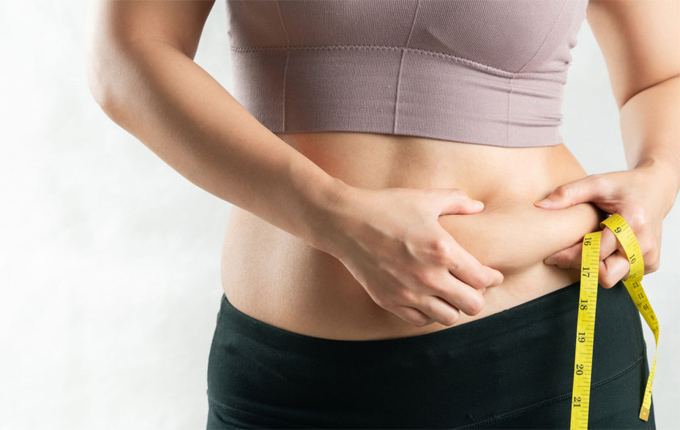
- Measure your waist. Wrap a tape measure around your waist at the level of your belly button. In the United States, a waist measurement above 40 inches for men or 35 inches for women is commonly used as a sign of higher abdominal fat and greater health risk.
- Ask for imaging. The most accurate ways to measure visceral fat are CT scans, MRI, or DEXA scans. These are usually used in medical or research settings.
Keep in mind that everyone has both types. The goal is not to remove all fat but to keep the amount in a healthy range.
Evidence-Based Ways to Lose Belly Fat
Here’s the honest truth: spot reduction doesn’t work. Thousands of crunches will strengthen your abs, but they won’t burn fat only from your stomach. Belly fat comes off as you lose overall body fat. These strategies have the strongest support.
1. Aim for a realistic calorie deficit
Losing weight comes down to eating fewer calories than you burn. A deficit of around 500 calories per day is a common starting point and can lead to the 1 to 2 pounds per week that the CDC recommends for safe, lasting weight loss.
Avoid crash diets. Very low calorie diets can cause fatigue, nutrient deficiencies, and muscle loss instead of fat loss, and they are hard to maintain.
2. Build your meals around whole foods
Focus on a balanced eating pattern that includes:
- Lean proteins such as chicken, fish, eggs, beans, and Greek yogurt
- Fiber-rich foods like oats, lentils, fruits, and vegetables
- Whole grains instead of refined grains
- Healthy fats such as nuts, seeds, olive oil, and avocado
Eating enough protein, roughly 1.2 to 2 grams per kilogram of body weight, can help you preserve muscle while losing fat.
3. Cut back on ultra-processed foods and sugary drinks
Ultra-processed snacks, fast food, sweetened drinks, and large amounts of alcohol add calories quickly without keeping you full. Reducing them is one of the easiest ways to create a calorie deficit.
4. Exercise regularly, combining cardio and strength
Aim for 150 to 300 minutes of exercise each week. A mix works best:
- Aerobic exercise: brisk walking, cycling, swimming, or jogging
- Resistance training: weights, resistance bands, or bodyweight workouts
- Higher-intensity intervals: if your doctor says it’s safe for you
Exercise is especially useful because it tends to reduce visceral fat, even when the number on the scale changes only slightly.
5. Sleep at least 7 hours a night
Poor sleep can increase hunger hormones, raise cortisol, and make healthy choices harder. Getting 7 or more hours a night supports weight loss and fat control.
6. Manage stress
Since long-term stress may encourage belly fat storage, build calming habits into your day. Walking outdoors, stretching, deep breathing, journaling, and time with friends can all help.
7. Manage underlying health conditions
Conditions such as polycystic ovary syndrome (PCOS), thyroid problems, and insulin resistance can make belly fat harder to lose. Medications can also affect weight. If you’re doing everything right and not seeing results, ask your doctor about testing.
Remember that age, sex, and genetics also influence where you store fat, so progress can look different from person to person.
Common Mistakes That Keep Belly Fat Around
- Relying only on ab exercises
- Skipping meals and then overeating at night
- Drinking calories (soda, juice, sweet coffee drinks, alcohol)
- Not getting enough protein or fiber
- Sleeping five or six hours regularly
- Ignoring stress
Expecting fast results from a crash diet or “detox” product
Frequently Asked Questions (FAQs)
When to See a Doctor
Talk to a healthcare professional if you have a rapidly growing belly, abdominal pain or swelling, unexplained weight changes, or signs of a hormone or metabolic condition. A doctor, certified personal trainer, or registered dietitian can build a plan that fits your health history.
The Bottom Line
The two main types of belly fat are subcutaneous fat, the soft fat under your skin, and visceral fat, the deeper fat around your organs. Visceral fat is the one most strongly tied to conditions like type 2 diabetes, heart disease, and fatty liver disease, but both types are worth managing. The good news is that you don’t need extreme measures.
A balanced diet, regular movement, enough sleep, and good stress habits can shrink both types of belly fat over time. Focus on sustainable habits rather than quick fixes, and you’ll protect your health for the long run.